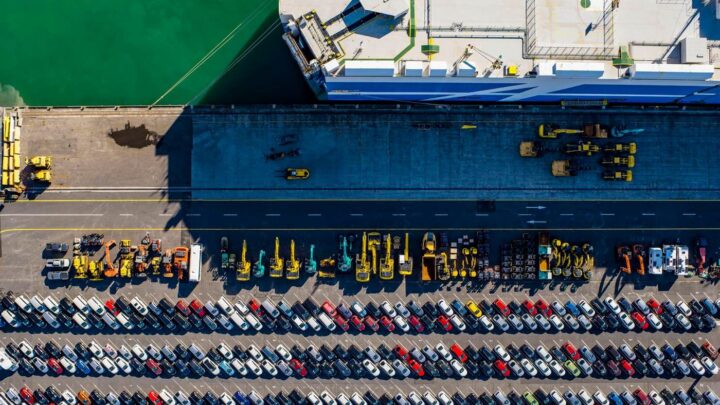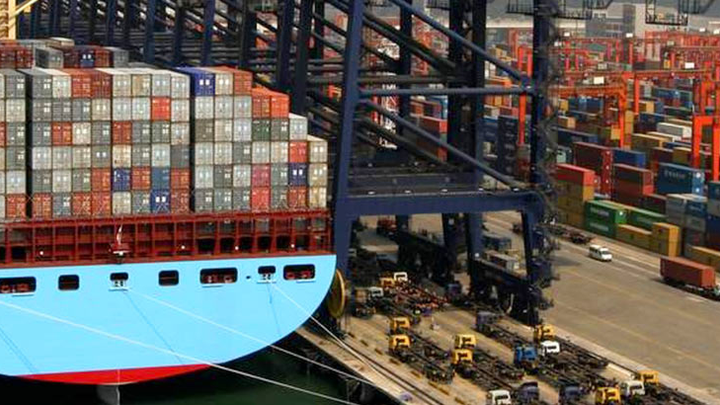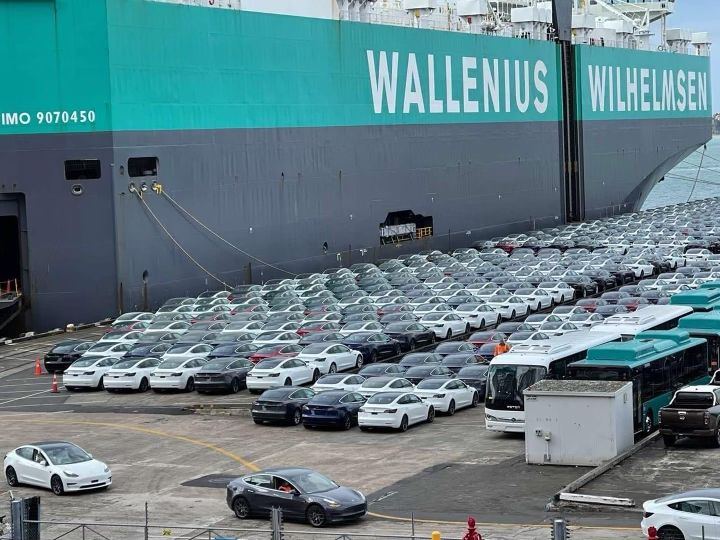
Wallenius Wilhelmsen will suspend its roll-on, roll-off services from Japan to Australia, New Zealand, Fiji and New Caledonia for the whole of 2027, leaving containers as the only shipping option for many used electric vehicles.
“The suspension of our ocean services from Japan to Australia, New Zealand, Fiji and New Caledonia for 2027 follows a review of our network and available capacity. The global RoRo market continues to face significant capacity pressure, and we are not in a position to provide the service reliability needed to continue these specific services,” a Wallenius Wilhelmsen spokesperson told TransportTalk’s sister title AutoTalk.
“We recognise the impact this may have on affected customers and will continue to review our service offering as market conditions evolve.”
Importers were first told of the suspension in a service update from NCC Car Carriers. It says petrol, diesel, hybrid and Nissan Leaf vehicles will continue to ship as normal with its other carriers, but that Wallenius Wilhelmsen has been the only roll-on, roll-off option for used battery electric vehicles other than the Leaf. Containerisation is now the only option for those vehicles, at additional cost.
GVI Electric’s Hayden Johnston says the Auckland used EV importer has already been shipping vehicles in containers.
“We have been containerising a lot of vehicles for a while, because I could see this happening. It is more than twice the price. At peak season, which is this time of year, it is $6000 to $7000 a car in a container, against about $2500 on a roll-on, roll-off vessel,” he says.
Wallenius Wilhelmsen chief executive Lasse Kristoffersen told investors at the company’s third-quarter results on November 4 that demand for vessel capacity out of Asia continues to outstrip supply, led by Chinese vehicle exports. He said capacity is fully committed for 2026, about 40% of 2027 capacity was still to be contracted, and the company is weighing its established position in Japan and Korea against adding capacity out of China.
Imported Motor Vehicle Industry Association (VIA) chief executive Greig Epps says the decision is particularly concerning for used battery electric vehicles, where shipping options are already limited.
“New Zealand relies on international vehicle markets to renew its fleet. We cannot manufacture our own vehicles, and we depend on shipping companies to bring affordable, lower-emissions technology to New Zealand consumers. When a major shipping service withdraws, it affects the whole vehicle supply chain. But for used electric vehicles, where shipping options are already severely limited, the consequences are particularly significant,” he says.
“Safety must come first, but we should be looking for practical, evidence-based solutions that allow suitable used electric vehicles to be transported safely. That means working with shipping companies, maritime insurers, vehicle exporters, and relevant regulators to develop appropriate inspection, battery-condition assessment, and shipping procedures.”
VIA is calling for industry and government to work on keeping shipping for used EVs safe and commercially viable. Mitsui OSK Lines suspended bookings of used battery EVs in 2022.