A proposal to build the world’s first large-scale green hydrogen plant in Southland has been met with strong interest from domestic and international businesses.
Meridian and Contact Energy’s Southern Green Hydrogen project has attracted more than 80 responses to its registration of interest process.
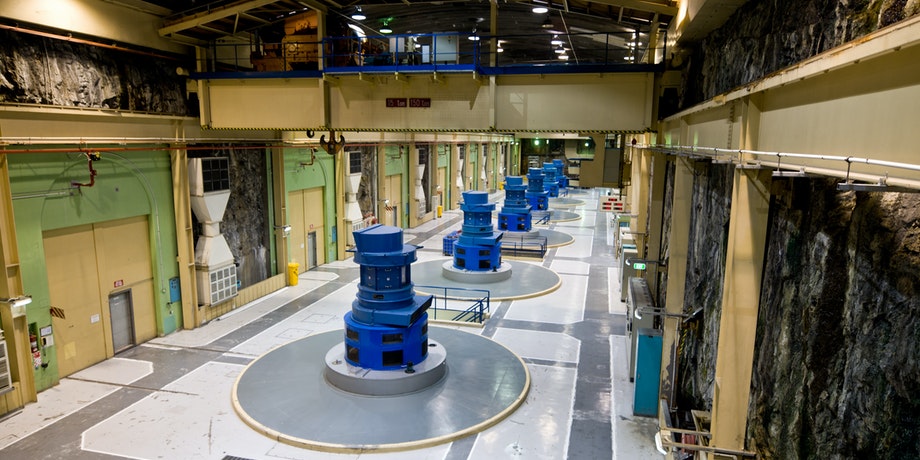
It proposes to make green hydrogen generated from renewable energy at sites such as Manapōuri Power Station for international and domestics markets.
This could be developed once the supply agreement with New Zealand Aluminium Smelters finishes at the end of 2024.
According to a recent report by consultancy McKinsey & Company and commissioned by Meridian and Contact Energy, green hydrogen has the potential to earn hundreds of millions in export revenue for New Zealand and help decarbonise economies both here and overseas.
There is a strong focus on using green hydrogen to decarbonise sectors such as heavy transport, aviation, shipping and agriculture.
More than NZ$200b has already been committed by governments and the private sector around the world to support the development of hydrogen economies.
The report estimates global demand could increase more than sevenfold to 553 million tonnes by 2050 and Southland has the potential to be at the forefront of this growth opportunity.
Meridian chief executive Neal Barclay says the diversity of responses shows there is a huge appetite for green hydrogen to replace fossil fuels throughout the economy.
“Green hydrogen has the potential to abate Aotearoa’s long-life greenhouse gas emissions by more than 20%. It’s exciting to see so much interest in domestic applications alongside the export opportunities.
“This interest suggests that the domestic uptake of hydrogen as a clean fuel could happen sooner and faster than we expected,” Barclay says.

Contact chief executive Mike Fuge says the fact that international companies were looking at business opportunities in New Zealand’s domestic market, in addition to international opportunities, was very promising.
“New Zealand has a stable political environment and a realistic and rising price on carbon. These are good incentives for people to dial down fossil fuels and convert to cleaner alternatives, so the fundamentals are there for hydrogen to take on fossil fuels in a range of sectors,” Fuge says.
A large number of responses were also received from engineering and technology companies interested in developing the infrastructure needed to produce and transport hydrogen from Southland.
Barclay says the economic benefits of developing a hydrogen economy will be widespread and support growth and employment in the regions as well as urban areas.
Fuge says hydrogen innovation was an area where Kiwi businesses and scientists were working out how to produce clean fuel more efficiently and cost-effectively.
“We’re already exporting some of this technology, and the opportunities are set to grow if New Zealand seizes the opportunity to become a global leader in green hydrogen.”
The next phase of the Southern Green Hydrogen project is a series of more formal discussions with shortlisted parties, followed by a request for proposal process to determine key partners and build out the wider supply chain and end-use customers.
This process is underway and expected to be completed by March 2022.