New Zealand’s ports must be planned as part of a single national freight system rather than a collection of competing regional assets, a parliamentary inquiry has found.
The Transport and Infrastructure Committee’s 55-page final report makes 19 recommendations covering port investment, road and rail connections, inland ports, coastal shipping, pricing, ownership, automation, workforce planning and supply-chain resilience.
Central to the report is a call for the Government and maritime sector to develop a National Ports Strategy spanning port roles, land connections, investment, coastal shipping, decarbonisation, workforce needs, security and regional access.
The cross-party inquiry was launched in May 2025 amid concerns about declining productivity, fragmented investment and New Zealand’s ability to accommodate future freight growth. International shipping carries 99% of the country’s imports and exports by volume and 81% by value, making the performance of the 13 major commercial seaports critical to the economy.
The inquiry found widespread concern that port infrastructure investment is poorly coordinated and often assessed without enough consideration of the roads, railways, inland hubs and shipping services around it. It recommends testing opportunities to lift productivity and make better use of existing infrastructure before funding major new capacity, with new projects then assessed as part of an integrated system covering road, rail, coastal shipping, inland ports and intermodal facilities.
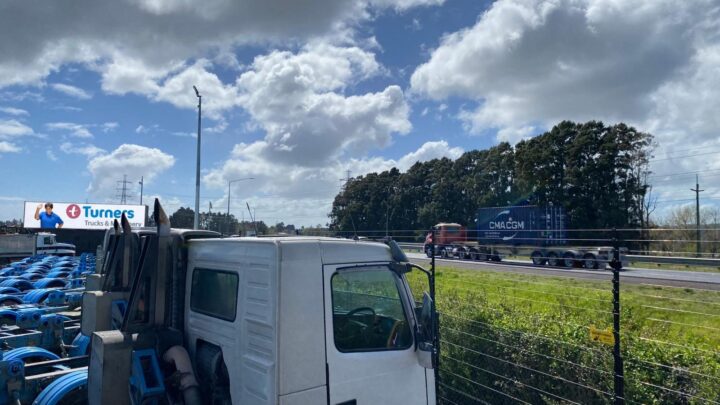
National Road Carriers policy and advocacy general manager James Smith says the inquiry confirms the road freight sector’s long-held concerns.
“The Transport and Infrastructure Committee has confirmed our view. New Zealand’s freight network is being planned and funded in pieces, and it performs like it. Ports are where road, rail and sea meet, and almost every container that crosses a wharf starts or ends its journey on a truck. This report is as much about road freight as it is about shipping, and we want the incoming Government to treat it that way,” Smith says.
NRC says a standalone ports strategy risks repeating the fragmentation the committee identified, and wants the proposal built into a broader national supply-chain strategy spanning road, rail, sea and air freight.
“The committee has put its finger on the problem. Roads, rail, ports, workforce and energy all sit with different owners, and nobody holds end-to-end accountability. A port expansion delivers little if the road to it can’t efficiently carry the freight.”
NRC is seeking specific recognition and funding for port access routes in the next Government Policy Statement on land transport. Its priorities include SH16, the Avondale–Southdown rail corridor, the Marsden Point Rail Link, SH1 between Warkworth and Te Hana, and resilient SH2 and SH5 connections into Hawke’s Bay. It also wants any move towards a hub-and-spoke port model to account for the resulting road freight task.
The committee found it was difficult to obtain current, consistent and comparable information about port performance. It recommends a national freight and port data framework with common definitions and published performance measures, and accelerating the National Freight Demand Study. NRC wants landside measures such as truck turnaround times, booking-slot availability and gate charges included.
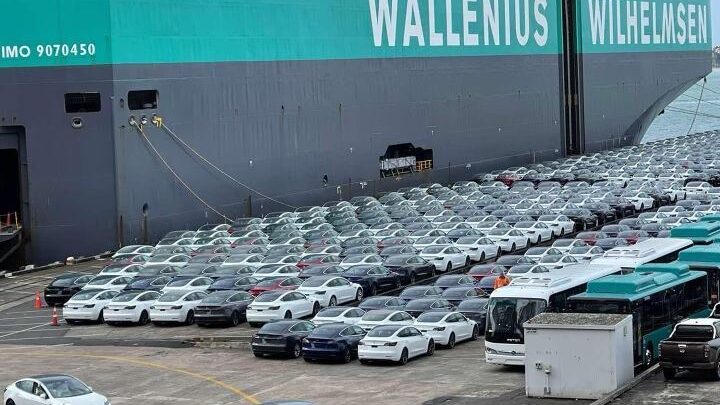
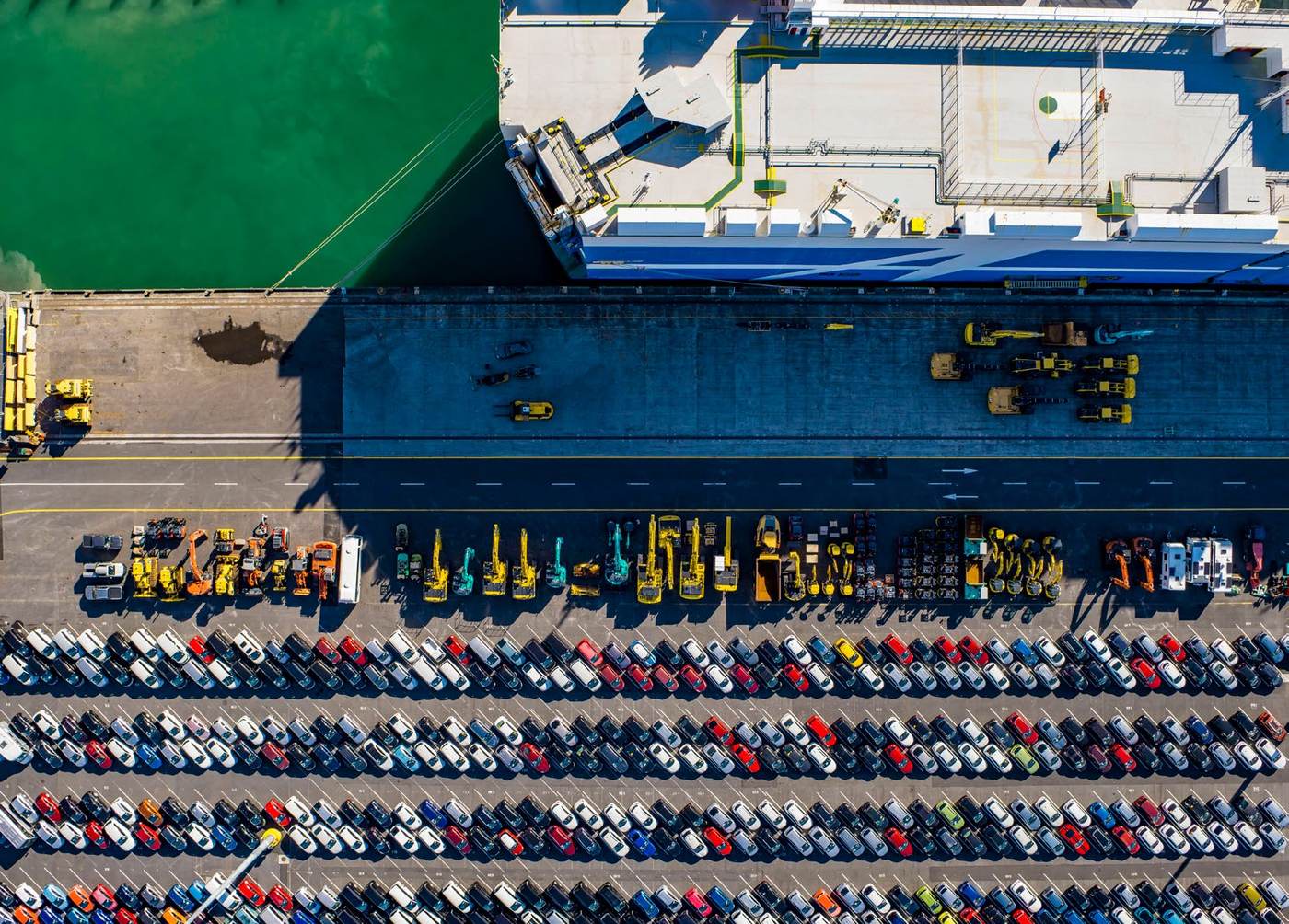
The committee heard particular concern about Ports of Auckland’s vehicle booking system charges, which transport companies pay before passing them through the supply chain. Submitters said the charges had risen sharply over the previous four years. The report recommends ports disclose comparable pricing and performance information, with the Commerce Commission using its existing powers to monitor competition, and says stronger economic regulation should be considered where substantial and persistent market power is shown.
“Our members pay these charges every day. We support closer Commerce Commission scrutiny, and we want vehicle booking and other landside charges named in its monitoring brief so the costs passed to carriers and their customers are covered,” Smith says.
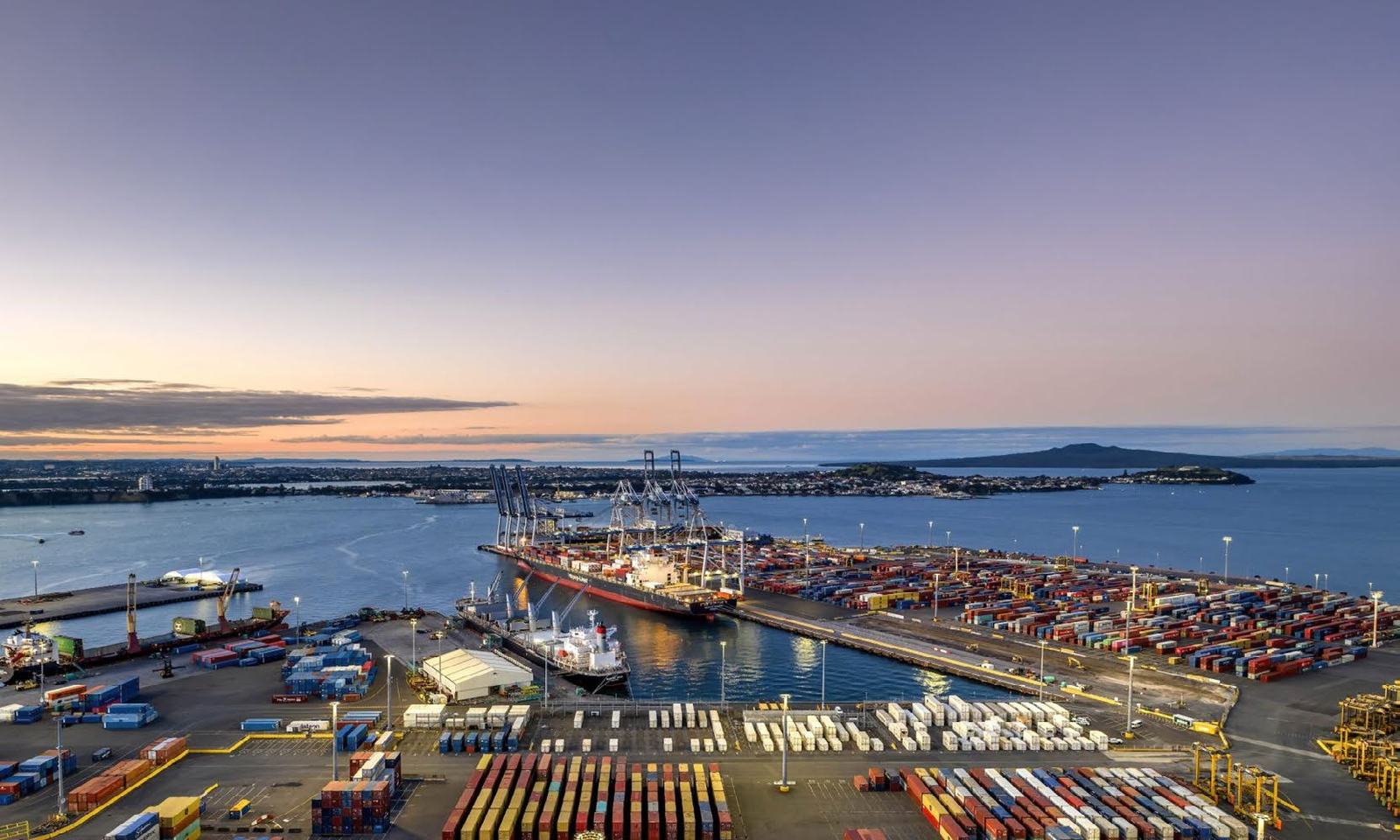
The inquiry also raised concerns about the wider impact of Lyttelton Port Company’s $821 million Te Awaparahi Bay expansion. While recognising its potential benefits for Canterbury, the committee says LPC’s business case partly relies on attracting container traffic now handled by PrimePort Timaru and Port Otago.
“Decline in usage of smaller regional ports may harm New Zealand’s resilience,” the report says, noting Lyttelton and CentrePort Wellington have both suffered serious earthquake damage in the past 15 years.
Due for completion in 2031, the Lyttelton project includes a 388-metre deepwater wharf, a five-hectare container terminal and semi-automated equipment, and will lift annual berth capacity to about 850,000 TEU. LPC chief executive Graeme Sumner says vulnerable existing berths, growing demand and larger vessels are driving the investment.
“The resilience of some of the container berths is a major driver for the project. Rebuilding them would take at least three years and significantly disrupt container operations. Building the Te Awaparahi Bay expansion removes the need to rebuild these wharves and allows the port to continue operating at full capacity,” Sumner says.
Port unions say workers and the public have not been adequately consulted. Maritime Union Lyttelton branch secretary Gerard Loader says workers have been kept in the dark about automation, while Rail and Maritime Transport Union branch secretary Mark Wilson says LPC should consult workers, mana whenua, ratepayers and the wider freight sector before proceeding.
The report identifies automation as a potential way to lift port productivity and safety, but warns it needs strong governance and workforce involvement. It examines Ports of Auckland’s abandoned automation programme, launched in 2016 to introduce autonomous 70-tonne straddle carriers. Between 2020 and 2022 the automated section reportedly operated below 50% of capacity while the manual yard was typically near full. Schedule reliability fell from more than 80% to about 6%, and one estimate put the cost to the economy at up to $1.2 billion. Three workers died at the port during the period automation was being trialled.
Ports of Auckland abandoned the project in 2022, writing off $65m of software and spending another $16m converting straddle carriers back to manual operation. The inquiry nevertheless found properly implemented automation could improve performance, and notes Port of Tauranga plans to introduce automated stacking cranes as part of its $500m expansion programme.
The committee wants the Government to examine whether a hub-and-spoke network, with larger international vessels using a smaller number of hub ports and coastal shipping, road and rail distributing freight to regional ports and inland facilities, could improve efficiency. It recommends recognising coastal shipping as a core part of the national freight network and identifying opportunities for inland ports to consolidate freight, increase rail use, reduce urban truck movements and improve resilience. It cites CentrePort’s Waingawa log hub, which it says removes around 20,000 truck movements from state highways, and Ruakura Inland Port as examples.
The report says port and freight planning must account for earthquakes, extreme weather and other major disruptions, pointing to the Kaikōura earthquake, Cyclone Gabrielle, flooding and the Covid-19 pandemic. It recommends recognising road and rail connections to ports in the next Government Policy Statement and explicitly assessing seismic resilience when making port investment decisions.
“The committee has given New Zealand a shared diagnosis across parties. Now the system needs to be delivered. NRC stands ready to help the next Government build a freight system that moves more, spends smarter and stays safe,” Smith says.
Before the election, National’s maritime spokesperson James Meager said the party welcomed the report and supported greater coordination across the ports and freight network.
“New Zealand’s ports are critical to our economy, and we need to ensure they are operating efficiently, remain competitive and are well connected to the wider transport network. We support a more coordinated and integrated approach to planning for the future of New Zealand’s ports, led by the sector and informed by the needs of freight operators and other users. We also support a clearer role for the Commerce Commission to ensure greater transparency and accountability in the sector,” Meager said. He said the committee’s remaining recommendations required further consideration.