Revenue at Turners Trucks & Machinery fell 18% in the six months to September 30, with the business hit by the commercial slowdown, sharply higher diesel costs and election uncertainty, according to Turners Automotive Group’s first-half result.
Trucks & Machinery sits within Turners’ Auto Retail division, where revenue slipped 1% to $151.3 million and segment profit fell 11% to $14.2m. Turners does not report a profit figure for the trucks business separately.
Turners says the oil price shock that followed the start of the Iran-US conflict in late February cut demand and prices for larger and diesel vehicles, and its vehicle margins fell 30%. Market prices for diesel utes and SUVs have dropped, and consignment volumes fell 12% as lease customers extended contracts amid the uncertainty. The company expects lease returns and sales to increase as confidence recovers.
Group net profit before tax rose 4% to a record $31.5m on revenue up 3% to $225.3m, driven by the finance division, where segment profit rose 24% to $11.8m and the loan book grew 26% to $622m.
“This is a record result delivered through the worst oil shock since the 1970s. We have shown over the last five years that this business is diversified and resilient in a recession, but it is not immune to an oil shock, which arrived suddenly and hit vehicle margins within weeks,” says chief executive Todd Hunter.
“Finance has had its best half yet, growing the book 26% while arrears fell and credit quality improved, and that growth offset the margin pressure in Auto Retail. In Auto Retail we moved quickly. We tightened buying, shifted stock to the cheaper end of the market, held costs and protected the balance sheet. Volumes held up. Margins took the hit but are now recovering, albeit slowly.”
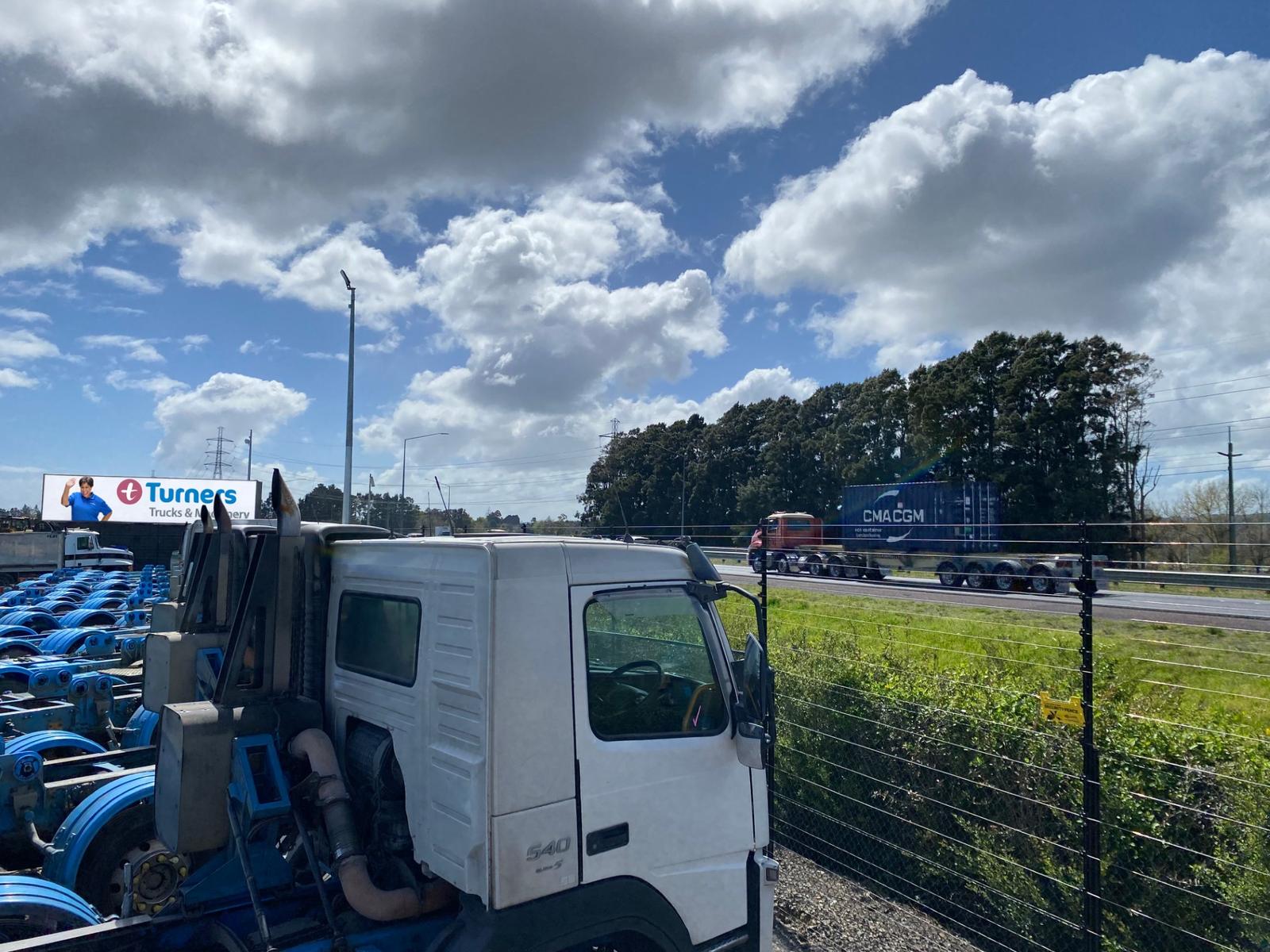
In September, Turners Trucks and Machinery moved its Auckland operation from Wiri to a new 18,000 square metre site at Drury. New Turners car branches open in Whanganui and Hastings in December.
Turners is still targeting net profit before tax of $65m for the year to March 2027 and $100m by FY31. It says sales of large-engine and diesel vehicles are likely to remain challenging until Middle East tensions ease and consumer confidence recovers.